ATP Surface Reading
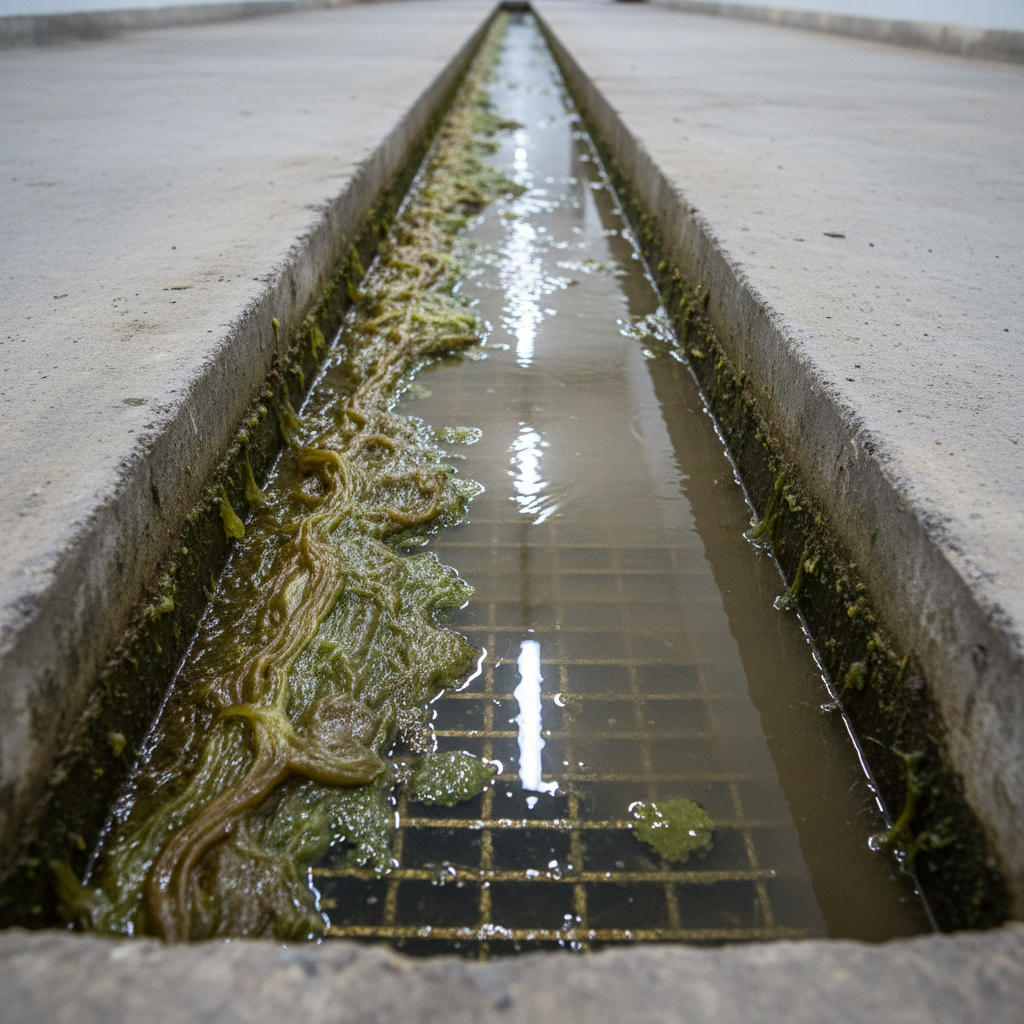
RLU · Kill Floor Drain
Food Processing Sanitation
Every surface.
Every shift.
Audit-ready.
We descend on food processing floors at shift's end — pressure washers, drain trenches, USDA binders updated before your morning crew clocks in.
- USDA FSIS Compliant
- ·
- SQF Certified Protocols
- ·
- HACCP Verified
- ·
- ATP Verification Every Shift
- ·
- FSMA Sanitary Transport Ready
- ·
- 3rd-Party Audit Support
- ·
- Zero Tolerance Allergen Control
- ·
- Listeria Environmental Monitoring
- ·
- USDA FSIS Compliant
- ·
- SQF Certified Protocols
- ·
- HACCP Verified
- ·
- ATP Verification Every Shift
- ·
- FSMA Sanitary Transport Ready
- ·
- 3rd-Party Audit Support
- ·
- Zero Tolerance Allergen Control
- ·
- Listeria Environmental Monitoring
- ·
Field Record
Three plants.
Three failures.
One crew.
Every scenario below is a real facility. The stakes escalate as you scroll. Inaction gets more expensive with every case.
Poultry Processor
RTE Deli — 280,000 sq ft
Listeria Environmentals Failing in RTE Room
"We had three positive Listeria environmental hits in the same zone over six weeks. The third one was on a food-contact surface. We were twelve days from a customer audit and I needed somebody in here that night."
Protocol Deployed
- Full zone teardown — all equipment disassembled to sub-components
- Hollow-point and harborage site elimination with caulk audit
- Quaternary ammonium flood at 400 ppm, 10-minute contact time
- Post-rinse ATP verification — 47-point swab map documented
- Updated environmental monitoring plan submitted to QA director
Measurable Results
Dairy Co-op
Fluid Milk & Cream — 4 CIP Circuits
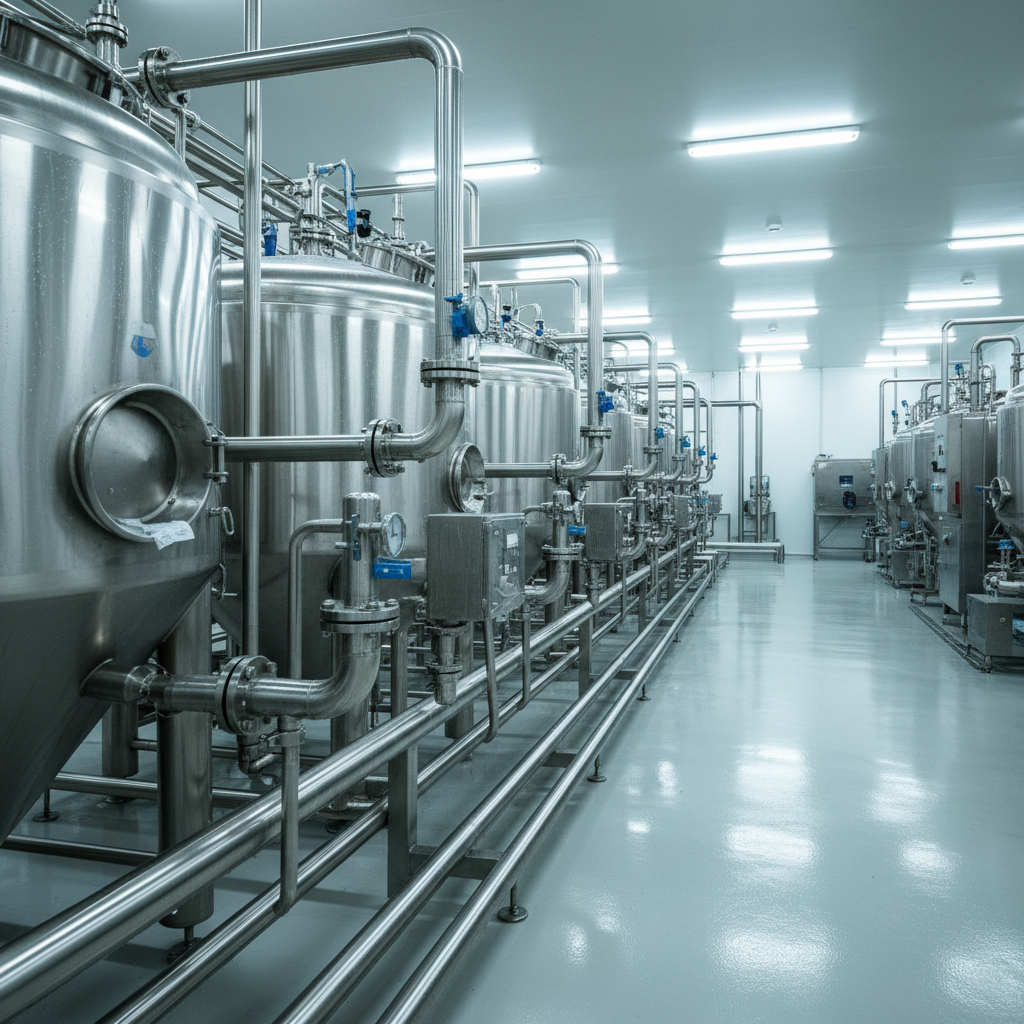
CIP Validation Lapsed Before Customer Audit
"Our CIP validation records hadn't been touched in fourteen months. The customer's food safety team was coming in Tuesday. We found out Friday afternoon. I called every vendor I knew."
Protocol Deployed
- Emergency CIP chemical concentration verification — all 4 circuits
- Temperature chart audit and corrective action documentation
- Full cleaning efficacy validation with microbiological swabs
- Brine line and gasket inspection — 11 failed gaskets replaced same night
- USDA binder updated with current validation data before Monday 6 AM
Measurable Results
Frozen Entrée Co-Manufacturer
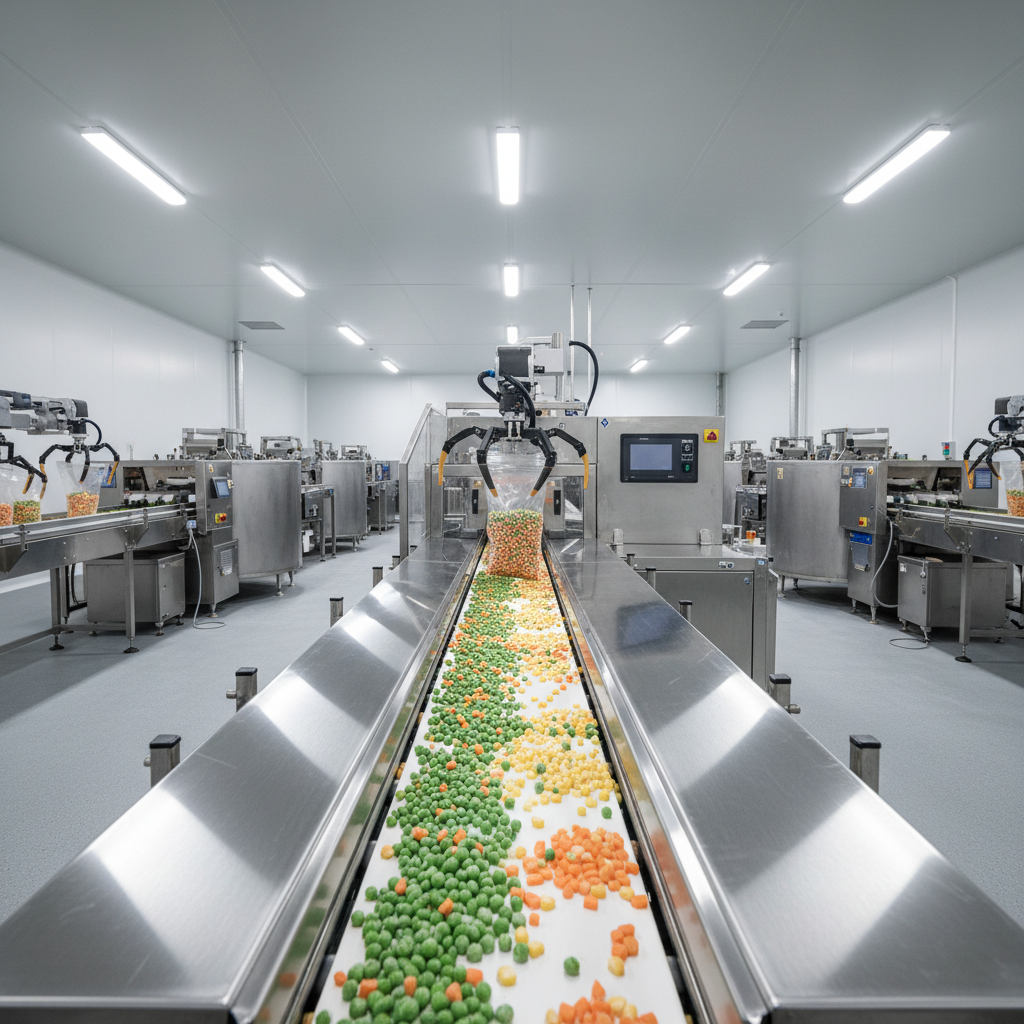
Multi-Protein RTE — 180,000 sq ft
Lost a $4.2M Contract Over Sanitation Scores
"The brand pulled the contract after our third-party audit scored us a 78. Sanitation was the only category below threshold. We had ninety days to remediate and re-audit or we were done with that customer permanently."
Protocol Deployed
- Full sanitation program gap analysis against SQF Edition 9 requirements
- Master Sanitation Schedule rebuilt from scratch — 340 line items
- Chemical titration training for all sanitation crew members
- Daily ATP trending dashboard implemented — results texted to plant manager by 4 AM
- Pre-audit mock inspection conducted 72 hours before official audit
Measurable Results
The Method
No shortcuts.
No variations.
Six steps. Every facility. Every shift. The same protocol that passes a USDA inspector at 6 AM passes your toughest customer audit at 2 PM.
Pre-Shift Hazard Walk
Before a single hose is turned on, our lead technician walks the zone with a clipboard and UV light.
Harborage sites, hollow-point inventory, drain grading, standing water — documented before chemicals touch anything.
Dry Clean & Disassembly
Equipment broken to sub-components. All organic material removed dry before wet sanitation begins.
Prevents dilution of biofilm. Eliminates the most common cause of failed re-swabs on complex machinery.
Chemical Application & Timing
Quaternary ammonium or peracetic acid at validated concentrations. Contact time enforced by timer, not memory.
Chemical titration verified every shift. Records kept in your binder. Deviation triggers immediate corrective action.
High-Pressure Rinse & Drainage
3,000 PSI pressure wash, directional flow to floor drains. No pooling, no splash contamination.
Drain trenches cleared and inspected. Grading verified. Every drain cap replaced and logged.
ATP Verification Map
Every zone swabbed post-sanitize. Results uploaded to your facility dashboard within 30 minutes.
Failing zones re-cleaned immediately. No shift handoff until every contact surface is below your threshold.
USDA Binder Update
Sanitation records, chemical logs, ATP results — filed and timestamped before 5 AM.
Your morning QA manager walks in to a complete record. Audit-ready, every single day.
Compliance Framework
USDA FSIS
SQF Ed. 9
FSMA §117
HACCP
Operational Record
The swab count
doesn't lie.
These numbers come from active client facilities. ATP logs, audit reports, and incident records — not marketing copy.
ATP Pass Rate
Contact surfaces below threshold across all shifts, trailing 12 months
Recall Events
Zero product recalls among active clients since 2019 — across 14 facilities
Worst-to-Best ATP
Kill floor drain trench, poultry processor, single-shift turnaround
Avg Audit Score
SQF third-party audits across co-manufacturer client base, last 24 months
Emergency Response
Median mobilization time for same-night emergency sanitation calls
Facilities Active
Poultry, beef, dairy, frozen RTE — all proteins, all facility types
From the Field
"We don't leave a facility until every swab reads below threshold and the binder is current. If that takes until 5 AM, it takes until 5 AM. Your morning crew doesn't need to know we were ever there — except that everything's clean."
R. Dominguez
Operations Director, Sanitation
Get Started
Request a
Plant Assessment.
We'll review your facility profile, identify your highest-risk sanitation gaps, and walk you through exactly what a first-night deployment looks like. No obligation.
Free Download
USDA Prep Checklist
The 47-point pre-audit sanitation checklist our team uses before every USDA FSIS inspection. PDF, ready to print.
Why Act Now
Emergency Dispatch
24/7 Available
Audit in 48 hours? We've been there. Call first.